Showing posts with label birmingham PR. Show all posts

Wednesday, 18 January 2012

Masterchef returns: Did you spot the brands?


Last night was eagerly anticipated in my house for the return of Masterchef – and thank goodness they’ve ditched that awful X-Factor style audition process!

Aside from looking wide-eyed at the sheer culinary talent on show (maybe not so much in the early stages, especially the poor girl that thought her sole was plaice!), Masterchef gives me a chance to look out for some fascinating food and drink product placement.

Working in Food and Drink PR and with a genuine interest in brands and logos, I’m probably more aware than most of product placement. And although Masterchef may be less commercial than some programmes in its brand promotion, there were still some top names on show. Did you spot them?

Those who take note of packaging might have noticed the Waitrose ingredients or Colman’s Mustard – the show’s producers may have covered the name up but you still can’t fail to recognise that British classic! Even more subtle was the careful placement of Olive and Cook Vegetarian magazines in the waiting room.

On the equipment side, Pyrex jugs, Circulon pans and Salter weighing scales were all evident in the first episode, not to mention the unmistakable KitchenAid Artisan Mixer lurking mysteriously on the back shelf – as it does so often on TV cookery shows.

So how many did you get? You’ve got another chance to play tonight...

Friday, 25 November 2011

Another bashing for the Greeks - in the kitchen

The WPR team enjoyed an insightful update on the Eurozone crisis this week from our Head of B2B PR, Tom Leatherbarrow. After picking myself up from the misery of impending doom, I wondered whether the latest news events were having any affect on food and drink markets. And it threw up some fascinating results.

As you might expect (and like most markets), it seems UK food exports to Greece are on the decline – down 14% YOY in September. But interestingly, the troubles in Greece also seem to be influencing eating habits on our own shores too; sales of chilled Greek ready meals in the UK fell 7% in the year to September according to Kantar Worldpanel.

It may not all be George Papandreou’s fault but the lethargy for lamb koftas and moussaka is in contrary to healthy increases enjoyed by Italian, French and Spanish chilled ready meals. And you fear there is worse to come for the Greeks.

Thursday, 17 November 2011

Purple reign: Cadbury purple ruling is a big relief

I read an interesting story today that Cadbury has won the latest ruling on the pantone 2865c shade of purple.

After a long battle it has finally been confirmed that only Cadbury can use “Cadbury purple” on chocolate bars and drinks (although the UK Intellectual Office is still to decide on the ruling for all chocolate products). Hurrah!

Living close to Bournville myself, I’m delighted about a ruling which goes far beyond the colour of Dairy Milk wrappers. Cadbury might have faced many bigger challenges in recent years but this is a fantastic victory for the team in purple as it fights hard to keep hold of its history and traditions against the backdrop of a huge American shadow.

Whatever Nestle say, pantone 2865 IS Cadbury. From packaging and advertising to street furniture and architecture, it’s an instantly recognisable symbol of a proud Birmingham brand.

And for that reason anybody who has walked past the purple lampposts down Bournville Lane, stood on the purple platforms at Bournville train station or even played football against Cadbury Athletic in their distinctive purple kit, will, like me, breathe a sigh of relief.

Tuesday, 18 October 2011

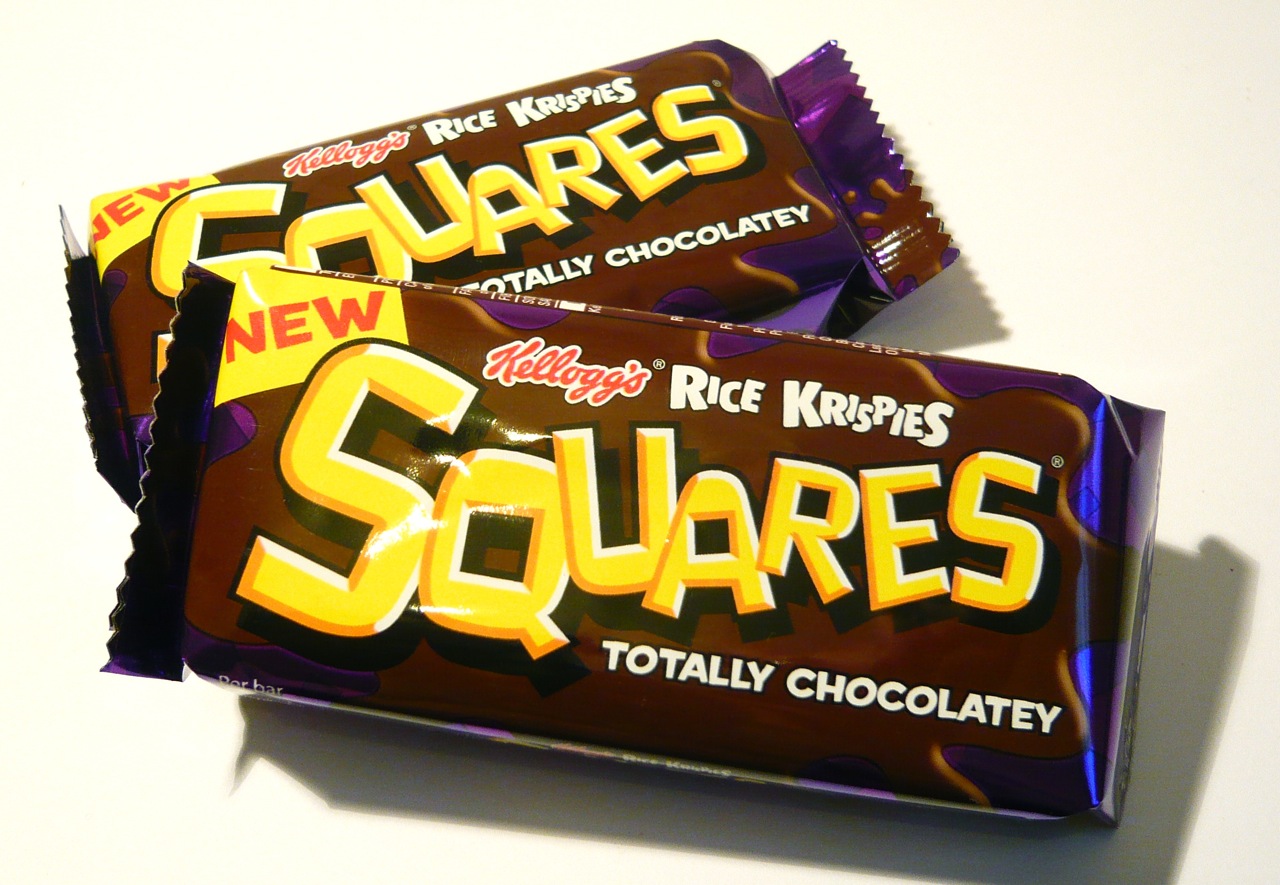
Kellogg's taste-based technology is fool's gold


I had to check it wasn’t April Fool’s Day when I read about Kellogg’s new ‘taste-based technology,’ which uses sensory stimulation to enable viewers to ‘taste’ products simply by watching a YouTube video.

I’ve shown The Drum's article to three people in the office and all gave the same reaction: “It looks like an April fool, but it’s not April. It can’t be.” And for that reason alone, I think this is one of the best ‘fools’ I’ve ever seen.

Instead of scrambling for coverage on April 1st alongside dozens of other food and drink PR teams, Kellogg’s and glue Isobar have used the “It’s All Lies” campaign to plant a genius April Fool in October. And you can be sure there’s more to follow.

It’s not just the timing that’s clever. Unlike many cheap stunts I’ve seen, this story is more than believable with seemingly credible references to innovation and technological development from all parties – even YouTube!

It might sound like something out of Charlie & The Chocolate Factory but technology continues to amaze me - who would have guessed three years ago that we would ever be able to watch live football in 3D? I blogged recently about Scent Marketing, which exploits sensory perception to encourage brand advocacy, and this just seems like the next step to me.

In fact this fool is so clever it wasn’t until I read the last line (“The taste-based technology advert forms part of ‘It’s all lies - they’re not even square!’ campaign”) that I completely ruled out the possibility that this story was real. Did it fool you as well?

Friday, 7 October 2011

Michelin stars and more help make Birmingham great for foodies


Interesting news this week that Birmingham has been named by Olive Magazine as Britain’s gastro-capital – beating the likes of London, Edinburgh and Manchester hands-down.

As much as I hate the term ‘gastro’ (much like ‘organic’, it seems to have been diluted into a marketing descriptor by brands and venues which don’t always merit the term), I don’t think many Brummies with an interest in food and drink would disagree with the accolade.

This is a city with three Michelin-starred restaurants (I’m lucky enough to have enjoyed my wedding ‘breakfast’ in one of them) and even more culinary talent already biting at the ankles of Messers Turner, Purnell and Tipping. The place is literally packed with good, very good and outstanding restaurants.

But that’s not all. Aside from the restaurants, Birmingham hosts a packed calendar of foodie events from the NEC to Cannon Hill Park, not to mention thriving farmer’s markets in suburbs such as Harborne, Moseley and Kings Norton. It is bursting at the seams with local producers from sausages to chutneys and that’s before I’ve mentioned the Chinese Quarter and Wholesale Markets too.

If that’s not enough Birmingham has, of course, also cooked up global brands such as Bird’s Custard, Cadbury and HP, throwing in more than a pinch of history and heritage with each. Even today, the likes of East End Foods are leading their own global markets from in and around the city which is even credited as the birthplace of balti. Need I say more?

I’m biased, but I dont think there’s a more deserving winner. Now I’m off to Ladypool Road for a balti...

Wednesday, 17 August 2011

The sweet smell of scent marketing

I read a fascinating piece from Christopher White in the Independent this week about the use of smell to promote products and reinforce brands, particularly when it comes to food and drink.

Apparently smell is fast becoming the third sensory tactic in marketing alongside old favourites sight and sound. The article told how a mini-mart in America saw coffee sales rise by 300% after it started pumping the aroma of fresh coffee beans into the store, and how the use of cinnamon smells where cinnamon buns are on sale makes people more likely to buy them. Even the new M&Ms megastore in London pumps in a smell of fresh chocolate to tempt customers into a purchase.

As White puts so well, scent marketing compares well to “fast-food outlets displaying photographs that bear no resemblance at all to the limp lettuced burgers actually on sale.” I’m no expert but I would suggest it won’t be long before this trend moves out of retail locations and into our homes. Just don’t let the pet food companies get a whiff of the idea!

Monday, 18 July 2011

The Smoking Ban: Four Years On


You may not know it but this month marks four years since the introduction of a ban on smoking in public places in England. The original arguments of 2007 may have died down, but as a major campaign to amend the smoking ban gains momentum, the same issues continue to rumble on.

Thinking back four years, opinions couldn’t have been more divided. I was a 23 year old beginning a career in public relations and with a list of food and drink PR clients supplying the foodservice industry, I kept a close eye on developments.

While non-smokers cheered, smokers stubbed out their cigarettes in anger. Tobacco companies ran scared and suppliers of outdoor garden furniture, including shelters and patio heaters, rubbed their hands with glee. Many licensees were understandably up in arms about a law which they argued would kill their livelihood. So, four years on, what has been the impact?

One thing is for sure, pubs are in decline. They were in decline long before 2007 though and how much of that is down to the smoking ban needs expert analysis from someone far better positioned than me. While it has clearly had an impact, there is no doubt that supermarket pricing, the rise of social media and of course the recession, have all had their own input to this continued decline over the last four years. According to the campaign to Amend the Smoking Ban, “it is reasonable to predicate” that as many as 20 pub closures per week are due, in part, to the smoking ban.

The ban did signal a shift in attitudes by licensees and many venues looking to recover trade turned to a strong food offer. Pub dining has improved drastically and I don’t believe it’s a coincidence that there are more Michelin starred pubs in the UK than ever before. That must be a good thing?

And what about health? This one’s more difficult. One year after the ban, a survey claimed as many as 400,000 people quit as a result of not being able to smoke in public places but others disagree, including Amend the Smoking Ban - which claims there is no evidence to suggest that the ban has reduced the overall smoking rate.

So what next? Retain, amend or repeal? I get the impression this one will drag on.